Why Do You Need Digital PR for SEO Success In 2025?

For years, link building was seen as one of the most effective SEO strategies. The prevailing idea was that acquiring more links, particularly from high-authority websites, would lead to better search rankings.
However, SEO has significantly evolved. With Google’s algorithms becoming more advanced, a broader, reputation-focused strategy is now required to achieve optimal rankings.
Today, improving search rankings involves implementing a well-rounded digital PR approach. This includes showcasing expertise, targeting key customer journey points, crafting engaging data-driven stories, and building trust through reputation and recognition.
How Does Digital PR Differ from Link Building?
Digital PR for SEO is not merely about acquiring backlinks. It’s a comprehensive strategy that incorporates:
- Reputation management: It emphasizes cultivating a brand’s credibility online.
- Integrated SEO and PR: Google’s AI evaluates reputation in a way that mimics human judgment.
- Beyond links: Reputation is shaped by factors like brand mentions, content quality, and user trust.
- Customer touchpoints: Digital PR addresses various stages of a buyer’s journey.
This shift redefines SEO by focusing on online reputation over traditional metrics like link volume or domain authority.
How Does Google Measure Reputation?
Google uses sophisticated methods, including its Search Quality Evaluator Guidelines, to assess the reputation of a website or content creator. These guidelines emphasize:
- Evaluating expertise in the specific topic area.
- Distinguishing between a source’s credibility across different subjects.
- Prioritizing reliable information based on the context and user intent.
This means SEO strategies need to focus on enhancing a site’s and creator’s reputation rather than merely building a robust link profile.
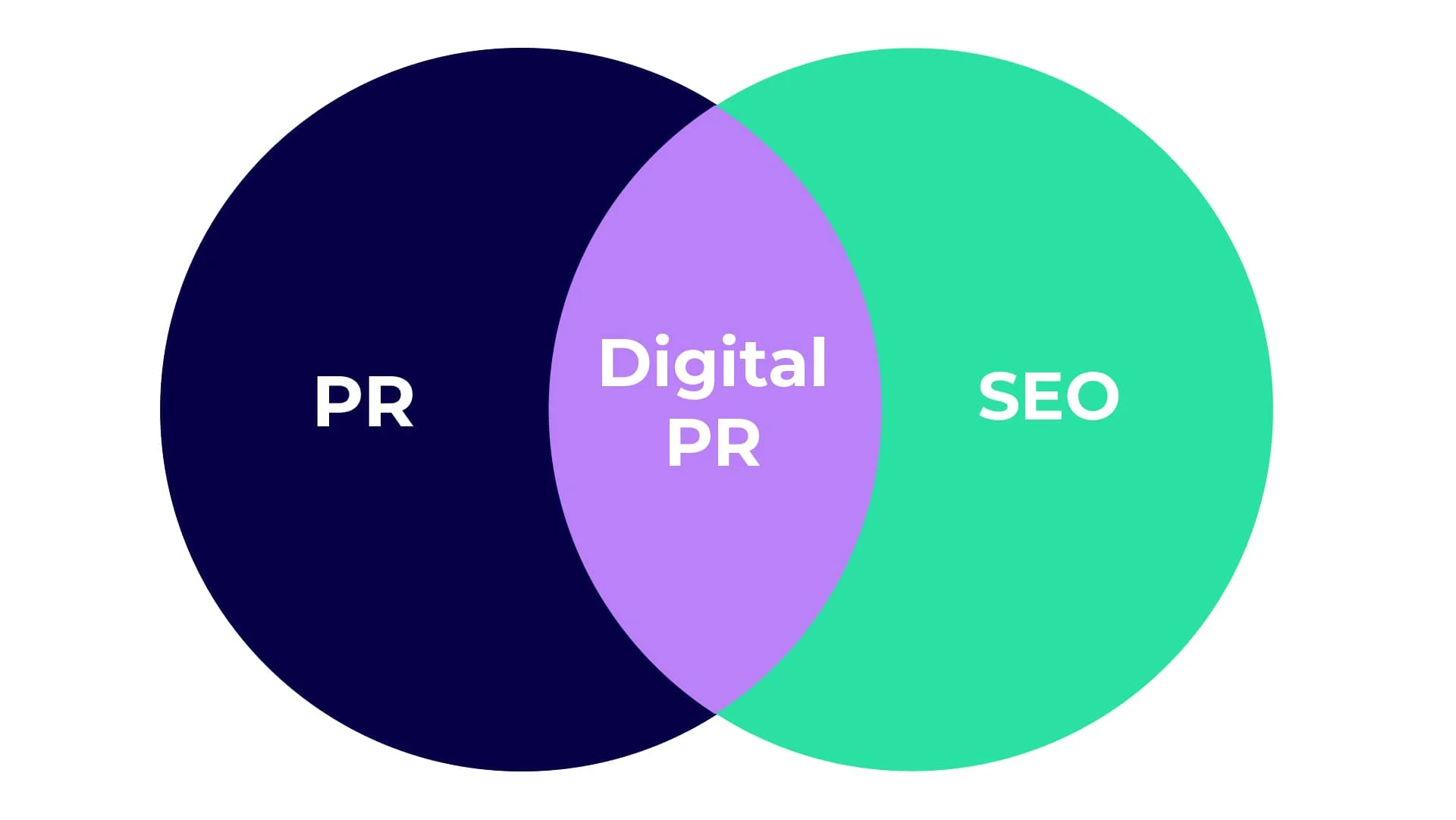
What Is the Connection Between PR and SEO?
Public relations has always been about managing reputation and shaping public perception. Applying PR principles to SEO extends this to the digital realm, ensuring your brand is well-regarded by both users and search engines.
Key principles include:
- Building trust with your audience first, which in turn boosts your reputation with search engines.
- Using PR tactics like media outreach, content creation, and expert commentary to enhance visibility and credibility.
What Are the Traits of Effective Digital PR for SEO?
Digital PR focuses on more than just link acquisition. It involves:
- Topical Expertise: Establishing an individual or organization’s authority in a specific niche.
- Depth of knowledge and hands-on experience are critical.
- Messaging should reflect expertise to influence audience behavior.
- Proof of Expertise: Providing tangible examples of knowledge and skills.
- This includes unique research, customer success stories, and expert commentary.
- Data-Driven Narratives: Using original research or insights to pitch compelling stories to journalists and publishers.
- Align research with media trends to secure coverage.
- Influence and Recognition: Gaining endorsements from journalists, bloggers, influencers, and customers.
- Actions like sharing content, buying products, or citing your research indicate growing influence.
How Does Digital PR Target the Right Audience?
Digital PR is most effective when it resonates with a clearly defined audience. To identify and engage this audience:
- Understand their personas and specific needs.
- Identify platforms, blogs, newsletters, and podcasts they frequent.
- Tailor content to address their unique challenges and interests.
This targeted approach ensures your efforts reach the right people at the right time.
What Are the Stages of the Buyer’s Journey in Digital PR?
The buyer’s journey includes several stages where customers interact with a brand. In digital PR, these stages are:
- Awareness: Identifying the problem and seeking potential solutions.
- Research: Exploring various options, including competitors.
- Consideration: Comparing solutions to narrow down choices.
- Decision: Selecting and committing to a solution.
Each stage presents opportunities to provide relevant information and build trust with potential customers.
How Can Digital PR Replace Traditional Link Building?
Digital PR offers an advanced alternative to link building by:
- Focusing on creating high-quality content that aligns with audience needs.
- Pitching relevant storylines to journalists and influencers.
- Leveraging podcasts, social media, and thought leadership to enhance visibility.
- Prioritizing credibility over mere link metrics like Domain Authority or keyword optimization.
By integrating digital PR into your SEO strategy, you build a lasting reputation that drives both rankings and user trust.