What Does PR Mean On Social Media?

Are your social media accounts actually working for your brand, or are you simply going through the motions? Updating them sporadically might not be enough to make an impact.
Integrating social media with effective public relations strategies can set your brand apart from the competition. Forward-thinking companies are already leveraging this synergy to their advantage.
What Is Social Media PR?
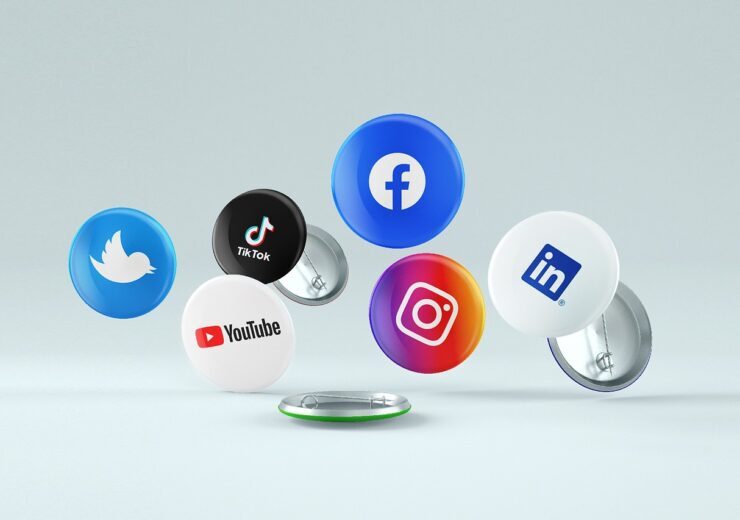
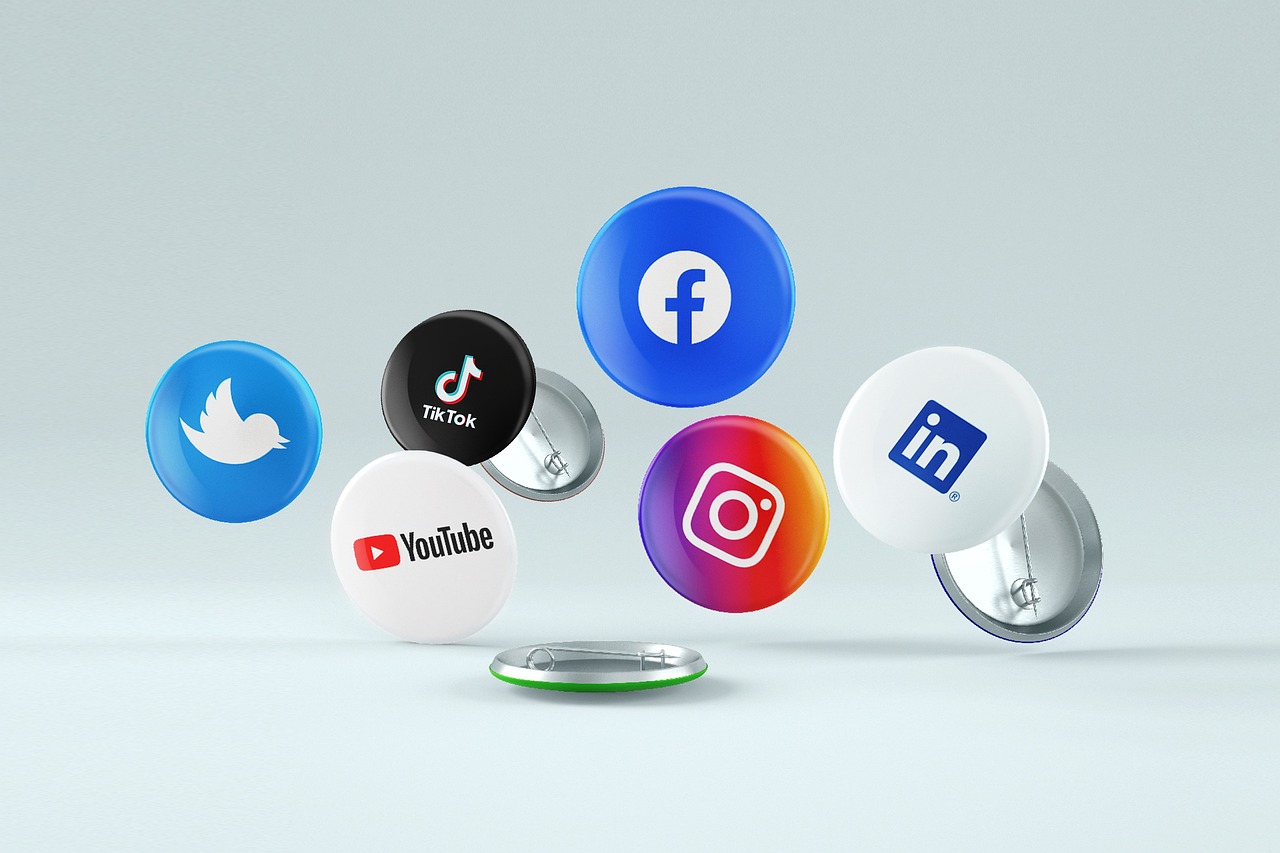
Social Media PR involves using platforms such as Instagram, Facebook, LinkedIn, and Twitter to craft a positive brand image and connect with key audiences.
Unlike traditional media channels, social media enables brands to tell their stories in real time. This self-managed approach removes the need for intermediaries like journalists to share your news.
Why Is Social Media PR Important?
With almost everyone active on social media, these platforms offer unparalleled reach. Social media allows brands to share updates, insights and thought leadership directly with audiences.
While PR and marketing serve different purposes, they complement each other perfectly. Social media, especially platforms like LinkedIn, is an excellent tool for showcasing expertise, sharing unique industry perspectives, and generating interest in your brand.
How Does Social Media PR Work?
It revolves around creating engaging, on-brand content that reflects your expertise, values, and interests. It also includes responding to audience interactions, such as comments and discussions.
Social media PR is an integral part of any communication strategy, but it requires thorough research to ensure it aligns with your target audience’s preferences and habits.
What Are the Benefits of Social Media PR?
How Does It Help Expand Audience Reach?
Social media offers a much wider reach than traditional PR methods. With people constantly checking their phones, campaigns have a better chance of reaching audiences, even passively.
Algorithms also ensure that the right content reaches the intended demographics, increasing visibility. Easy sharing further amplifies your reach, acting as a form of peer recommendation.
Can It Support the Sales Funnel?
Social media can spark interest and guide potential customers through the sales funnel. By sharing compelling and timely information, brands can position themselves positively, encouraging users to learn more about their offerings.
Consistent exposure through social channels can gradually convert casual followers into loyal customers.
How Does It Enhance Reputation Management?
Social media allows brands to showcase positive feedback, share expertise, and maintain control over the narrative. By conducting sentiment analysis, companies can monitor their reputation, anticipate potential crises, and gather feedback to improve products or services.
Does It Strengthen Online Presence?
Social media complements your website by providing additional touchpoints for audiences. Through engaging content like infographics, success stories, videos, and blog posts, brands can highlight their values, increase traffic, and build stronger connections with their audience.
How to Use Social Media PR Effectively?
Make the most of your social media accounts by aligning them with your PR goals. Share press releases, promote positive feedback, and regularly update your platforms with content that resonates with your audience.
By integrating social media into your overall strategy, you can create a cohesive and impactful brand presence.
How Has Social Media Transformed Public Relations?
Most public relations professionals agree that social media has reshaped the field. Traditional press releases no longer suffice, as the audience now includes diverse stakeholders.
Social media offers a broader reach and multimedia options, making it a superior choice for impactful communication. While press releases still hold value, social media serves as a springboard for wider engagement.
What Role Does Misinformation Play in Public Relations?
Social media’s open nature allows anyone to share content, leading many to trust personal opinions over verified sources. With a significant portion of people consuming news via social platforms, PR professionals face the challenge of navigating misinformation.
Falsehoods and exaggerations spread easily, and unregulated platforms can exacerbate the problem. PR practitioners must remain vigilant, ensuring their messaging is accurate and addressing clients affected by misinformation.
How Has Instant Communication Changed PR?
Social media enables 24/7 communication, amplifying messages quickly and keeping them visible longer.
While this rapid dissemination can enhance PR campaigns, it also means negative news can spread just as fast. Constant monitoring and timely responses are crucial for managing public perception in this fast-paced environment.
How Does Social Media Support Audience Engagement?
Social platforms facilitate direct communication with audiences, breaking down language and geographic barriers. This two-way interaction fosters meaningful engagement, allowing PR professionals to collect real-time feedback and strengthen relationships with stakeholders.
How Does Social Media Help Build Communities?
Public relations focuses on relationship building, and social media offers an ideal platform for connecting with audiences. By creating and sharing engaging content, PR professionals can inspire and interact with communities, fostering loyalty and trust.
How Has PR Adapted to Social Media?
The rise of social platforms has pushed PR professionals to acquire new skills. Understanding platform-specific nuances, mastering analytical tools, and crafting tailored strategies are now essential.
The focus has shifted from solely earning coverage to building sustainable relationships with audiences.
What Should PR Professionals Know About Major Social Media Platforms?
- Facebook: Known for its precision targeting and extensive reach, Facebook remains effective for businesses targeting older demographics. Its algorithm favors interactive content, and its ad tools allow businesses to connect with audiences in various formats.
- X (formerly Twitter): Despite recent changes, X remains a key platform for announcements and public discourse. Its active user base thrives on news and engagement, making it valuable for PR professionals.
- LinkedIn: As the leading platform for professional networking, LinkedIn is essential for B2B efforts. Its tools enable targeted outreach based on job titles, industries, and more, making it ideal for thought leadership and lead generation.
- Instagram: Popular with younger audiences, Instagram excels in visual storytelling and influencer marketing. Businesses can leverage its features to showcase products and engage audiences through ads and shoppable posts.
- TikTok: Famous for short-form video content, TikTok offers high engagement, especially with younger demographics. Its ad platform enables targeted campaigns, although its future in some regions remains uncertain.
- YouTube: The top video-sharing platform allows businesses to create compelling content, reach diverse audiences, and build dedicated channels. Its extensive user base makes it a vital tool for video-driven PR strategies.
How Can PR Professionals Maximize Social Media Effectively?
- Use Social Media for Pitching: Social platforms are excellent for researching journalists and sharing earned media. Tagging and mentioning relevant individuals or publications can amplify content and increase visibility.
- Leverage Scheduling Tools: Automation tools like Buffer and Sprout Social can streamline posting, especially for global audiences. However, consistent monitoring and engagement are still essential.
- Maintain Active Profiles: A strong social media presence signals credibility. Journalists and stakeholders often review a company’s social activity as part of their evaluation. Inactive accounts can harm trust and reduce opportunities for engagement.
Social media has become integral to public relations, redefining how professionals engage with audiences, address challenges, and build lasting relationships.
How Can You Achieve Social Media PR Success?
Achieving success in social media PR requires a unified brand voice and a clear purpose. It’s not solely about what you do, but why you do it. Instead of merely using social media to promote or sell, focus on demonstrating the value to your audience—why should they care?
It’s important to be consistent and to develop a strategy that includes the right tactics for sustainable success.
What Role Does Influencer Collaboration Play?
Influencers are now an essential part of social media PR. Audiences trust the individuals who frequently appear on their feeds, believing in their product recommendations.
Beyond endorsements, influencers educate and provide expert insights, making them powerful tools for shaping consumer behavior.
Building relationships with influencers, creators, and PR firms is vital. However, it’s important not to micromanage; doing so can suppress their creativity. Long-term partnerships with influencers are often more beneficial than one-off collaborations.
Why Should You Encourage User-Generated Content (UGC)?
Inviting your followers to take part in creative projects—such as naming a product or creating content—can increase engagement and give your audience a sense of involvement.
By sharing the results on social media, tagging participants, or offering free products, you create social proof. When others vouch for your brand, it becomes more trustworthy, often more than branded content.
How Can Analytics and Social Listening Enhance Your Strategy?
Listening to what your audience says about your brand can provide valuable insights for future campaigns. With analytical tools, you can track the real-time performance of your content. This allows you to adjust quickly if something isn’t resonating.
Additionally, social listening can help you monitor important PR metrics and identify key trends, ensuring your strategies remain relevant.
What is the Power of an Immersive Experience?
Providing an immersive experience, such as a virtual tour of your business or behind-the-scenes content, can transform passive social media interactions into active engagement.
These experiences often boost interactions, which can lead to higher conversion rates. Sharing employee stories or showcasing specific processes can increase transparency and strengthen connections with your audience.
How Can Newsjacking Boost Your PR Campaigns?
Newsjacking involves inserting your brand into trending news stories, helping you reach wider audiences.
When executed carefully, it can generate significant engagement, including shares, likes, and retweets, as well as increased traffic to your website. However, be cautious—ensure your approach aligns with your brand’s values and avoids insensitivity.
Why Should You Share Your Research Findings?
Sharing your research findings on platforms like LinkedIn can spark professional discussions, showcasing your knowledge and engaging others in your industry.
Encouraging employees to like, comment, and share on these posts can enhance visibility and help boost your employer’s PR efforts, highlighting your organization’s expertise.
What Are the Best Practices for Merging Social Media and PR?
How Can Thought Leadership Elevate Your Brand?
Sharing content that establishes your brand as an expert in its field is a powerful PR tool. Rather than simply pushing promotions, focus on providing value that benefits your audience. Thought leadership content can also fill content gaps during quieter periods.
How Can You Leverage Industry Trends?
Keeping an eye on industry trends can help you stay relevant. Social media is a hub for the latest developments, and the key is to engage early with relevant trends that align with your audience’s interests.
What’s the Value of Thinking Creatively?
Thinking outside the box can lead to unexpected successes. For example, when REI closed its stores on Black Friday in 2015 and encouraged customers to spend the day outdoors with the #OptOutside campaign, it garnered massive media coverage and customer engagement, proving that bold, unconventional ideas can be effective.
How Can Client Testimonials and Case Studies Strengthen Your Brand?
Social media is a great platform for showcasing your success through client testimonials and case studies. These third-party endorsements not only demonstrate your capabilities but also serve as powerful social proof for potential clients.
Why Should You Use Multimedia and Infographics?
Visual content, like infographics and high-quality images, can make your posts more engaging and memorable.
Ensuring they’re optimized with clear meta descriptions and SEO-friendly text can increase your reach, as platforms like LinkedIn prioritize content that is easy for their algorithms to understand.
What Are Some Successful Examples of Social Media PR Campaigns?
How Did Coca-Cola’s #ShareACoke Campaign Become a Success?
The #ShareACoke campaign, which involved swapping Coke’s brand name for popular names on bottles, sparked massive social media conversations and boosted sales. By tapping into people’s need for personalization, Coca-Cola created a simple yet highly effective campaign.
How Did Spotify’s Wrapped Campaign Engage Audiences?
Spotify’s annual Wrapped campaign encourages users to share their music listening habits, creating a wave of social media buzz. The campaign’s highly personal and shareable content makes it relatable and has turned into a viral marketing tool.
How Did Wendy’s Use Humor to Build Its Brand?
Wendy’s reputation for snarky, witty tweets has made it a social media sensation. By engaging in playful banter with competitors, Wendy’s has built a loyal following, proving that humor can be an effective PR strategy.
What Are the Emerging Trends in Social Media PR?
As AI becomes more involved in content creation and distribution, PR campaigns will adapt to include smarter algorithms and shoppable content.
Employee advocacy will also rise as employees share insights about their organizations, making brands appear more authentic and trustworthy.
Micro-influencers, with their smaller but more engaged audiences, are becoming increasingly important. These influencers tend to have a closer connection to their followers, offering a more cost-effective way to engage niche markets.
How Can Social Media PR Transform Your Brand’s Approach to Communication?
Social media has democratized PR, providing opportunities for brands to control their messaging and create buzz on their terms.
By integrating social media into your PR strategy, you can build lasting relationships, increase visibility, and remain competitive in an increasingly digital world.