Category: BLOG

What Is Search Engine Marketing?

Search engine marketing (SEM) is a strategy designed to enhance a website’s visibility in search engine results pages (SERPs).

While the term was historically used to describe both organic search methods like SEO and paid advertising, it now specifically refers to paid search ads.

SEM is also commonly known as paid search or pay-per-click (PPC) advertising.

Why is SEM Essential?

As more consumers turn to the Internet for product research and shopping, SEM has become a critical strategy for expanding a company’s online presence. In fact, most new website visitors come from search engine queries.

With SEM, advertisers only pay for actual visits resulting from their ads, making it a cost-effective way to advertise. Plus, each visitor to the site can improve its organic search rankings over time.

Because search queries often reflect the intent to make a purchase, users are typically more receptive to advertisements, especially when compared to other platforms like social media, where users aren’t actively looking for products.

SEM targets users at a time when they are receptive to relevant information. Unlike many other digital ads, PPC ads don’t disrupt the user’s activities and provide immediate results, making SEM one of the fastest methods to drive traffic to a website.

How SEM Functions?

While SEO focuses on content marketing to generate organic traffic, SEM relies on paid advertisements to attract visitors. Search engines use complex algorithms to ensure that the most relevant results are shown, considering factors like user location and search history.

In SEM, paid ads appear prominently at the top and sides of the search results page, allowing advertisers to secure better visibility compared to organic results.

For instance, when you search for a product or service, ads related to the keywords you enter will appear along with relevant organic listings. Since these ads align with your search, you are more likely to click on them.

From the marketer’s perspective, SEM networks are self-serve platforms where campaigns can be set up quickly. When creating a campaign, marketers must:

  • Conduct keyword research to identify relevant terms
  • Choose a geographic location for the ad
  • Craft a text-based ad for display
  • Analyze the cost per click (CPC) for the chosen keywords

Text ads are simple to create, requiring a headline, description, call-to-action, and a link.

SEM is often viewed as a highly efficient use of marketing budgets.

Primary SEM Networks

The main platforms for SEM campaigns are Google Ads (formerly AdWords) and Bing Ads. Google Ads operates through two networks: Google Search Network and Google Display Network. The first targets search-related sites, while the second includes properties like YouTube and Gmail. Bing Ads covers Yahoo and Bing’s networks.

Google Ads is a larger network, but Bing Ads can sometimes offer lower costs, better clickthrough rates, and more competitive keyword pricing.

Steps to Build an SEM Strategy

  1. Keyword Research: Use tools like Google Keyword Planner, SEMrush, or Ahrefs to find quality keywords that resonate with your target audience. Aim for keywords with an optimal balance of search volume—high enough to generate traffic but not so high that they become prohibitively expensive.
  2. Setting Up PPC Campaigns: PPC campaigns are organized around themes that align with business objectives. They are divided into smaller ad groups, which focus on specific products or services. Organize your campaigns to maximize efficiency, especially since PPC ad targeting can be very granular.
  3. Creating Ad Copy: Craft compelling ad copy that aligns with search intent. Start with attention-grabbing headlines and include your unique selling points in the ad description. Make use of ad extensions like site links, phone numbers, and callouts to enhance the user experience.
  4. Optimizing Landing Pages: Ensure your landing pages match the content in your ad. This improves your ad ranking and quality score, which can lower the cost of ads and boost conversions. Focus on clear calls-to-action, mobile-friendly designs, fast load times, and quality content.
  5. Managing Bidding Strategies: Test different bidding strategies to find the one that provides the best results. Most platforms offer manual or automated bidding. Start with manual bids if you’re working with a smaller budget and then move to automated bidding for larger campaigns.
  6. Budget Allocation: Distribute your budget to the highest-performing ads and target the most relevant audiences. For example, B2B companies often allocate more of their budget to ads on desktops during working hours to increase the likelihood of conversions.
  7. Refining and Optimizing Campaigns: Constantly optimize your campaigns by improving quality scores, adding more extensions, and using remarketing to boost brand visibility. Fine-tuning your ad campaigns based on performance data can maximize your ROI.

How A/B Testing Can Enhance SEM

A/B testing is a valuable tool for improving the efficiency of SEM campaigns. By testing variations of landing pages, you can optimize for higher conversion rates, either by increasing average order value or revenue per visitor. 

Optimizing your landing page can also help reduce your cost per click by improving your Quality Score.

Tools like Leadangle Web Experimentation make it easy to structure and run A/B tests, providing real-time results and integrations with popular ad networks like Google Ads and Meta.

Read More
Lead Angle December 17, 2024 0 Comments

Effective Backlink Building Strategies That Will Work in 2025

If you’re aiming to enhance your website’s authority through backlinks, this guide will provide actionable insights to help you succeed in link building.

In this section, we’ll explain what link building is and why it continues to be a key factor for SEO in 2024.

What Is Link Building?

Link building is the process of acquiring one-way hyperlinks (backlinks) to a website in order to increase its visibility on search engines. Common strategies include content marketing, creating valuable tools, outreach campaigns, broken link building, and public relations efforts.

Why Are Backlinks Important? 

To understand why links matter, let’s rewind to the era before Google dominated the search engine market.

Back then, search engines like Yahoo! and Alta Vista ranked web pages based solely on their content. However, Google introduced PageRank, which shifted the focus to how many people were linking to a webpage.

Since then, links have remained one of the most important factors in search engine rankings. However, with updates like Google Penguin, there has been an emphasis on link quality over sheer quantity.

You might wonder: What makes a link high-quality, and how can you acquire them? We’ll explore this further in the next chapter.

Identifying High-Quality Links

Before we dive into actionable link-building tactics, it’s essential to understand what constitutes a good link versus a bad one. This knowledge will guide your efforts to secure valuable backlinks.

Key Factors for Determining Link Quality

  1. Page Authority: A link from an authoritative page, one with a strong PageRank, significantly boosts your search rankings. Pages with high authority pass more credibility (PageRank) to your site, making them valuable for SEO.
  2. Website Authority: Links from reputable websites, such as NYTimes.com, have a much greater impact than links from smaller, lesser-known blogs. Tools like Semrush can help you evaluate a website’s authority score.
  3. Relevance of the Linking Website: A link from a highly authoritative site is only effective if it’s also relevant to your site’s content. For example, a link from a health-related site is far more valuable for a health blog than one from a completely unrelated site.
  4. Link Placement: The location of a link on a page matters. Links embedded within the main content are more valuable than those found in footers or sidebars.
  5. Editorial Placement: Editorial links—those placed naturally because the site owner finds your content useful—carry more weight than links placed through manipulative or artificial means.
  6. Anchor Text: The clickable text of a link, known as anchor text, is a ranking factor. Keyword-rich anchor text can help, but overuse of exact-match anchor text is considered spammy.
  7. Co-Occurrences: The words surrounding your link also influence what Google believes your page is about, providing additional ranking signals.
  8. Guest Post Links: Guest posts can still provide value if they are high-quality and published on an authoritative site within a relevant niche.
  9. Nofollow vs. Dofollow Links: Dofollow links pass SEO value to your site, while nofollow links do not. Focus on acquiring do-follow links, as they help improve your rankings.

Building Backlinks Through Content Marketing

Content marketing is an effective strategy for generating backlinks. However, simply creating content isn’t enough to attract links. Certain types of content are particularly effective for link-building efforts. Here are the top four content types that tend to attract the most backlinks:

1. Visual Content

Infographics, charts, and images are often shared with a link back to the original source. For instance, one of my visual assets on Google CTR has attracted dozens of backlinks, many from authoritative marketing sites.

2. Listicles

Posts formatted as lists often generate high numbers of backlinks. A study by BuzzSumo found that list posts outperform other types of content, including videos and infographics, in terms of backlinks.

3. Original Research and Data

Content that presents unique research or data tends to generate backlinks quickly. For example, one of my studies on Google ranking factors accumulated tens of thousands of backlinks as others cited the data.

4. Comprehensive Guides

In-depth guides that cover every aspect of a topic become authoritative resources, often receiving hundreds or thousands of backlinks. Some online guides on copywriting, for example, have been linked to over 6,000 times.

After creating high-quality, link-worthy content, it’s time to focus on acquiring relevant links, often through outreach to other websites.

How to Build Effective Links Through Email Outreach

If you aim to build ethical links in 2024 and beyond, email outreach is essential.

But the challenge is:

How can you reach bloggers and journalists without your emails ending up in their spam folders?

This guide will provide the insights you need.

1. Identify Potential Link Partners

“Likely Linkers” are individuals or websites that are inclined to link back to your content.

I’ll explain several methods for discovering these link prospects in Chapter 6. For now, we’ll use a straightforward approach called reverse engineering.

Start by searching your target keyword on Google.

Google SERP – Paleo Desserts

Take the URL of the top-ranking result and input it into a link analysis tool (I’m using Semrush here).

Then, go to “Backlink Analytics” in the sidebar and click on “Backlinks.”

The sites shown are potential link partners.

You can filter through these suggestions to identify the best candidates. (Learn how to determine which sites are worth your effort in Chapter 2.)

2. Find Their Email Address

Once you’ve identified a potential link partner, the next step is to find their email address.

Pro Tip: Avoid using contact forms as much as possible—they tend to be unreliable.

Here’s how to find their email:

  • Hunter.io: Great for small sites or one-person blogs. Just input the site’s URL, and Hunter will show you the associated email addresses.
  • VoilaNorbert: Perfect for larger sites. Instead of entering a URL, input a person’s name and their domain. This tool will provide their specific email address.

3. Craft a Personalized Email

If you want to scale your outreach, you’ll need to use scripts. The key is to make them feel personal, not robotic.

Here’s an example of a high-converting outreach email:

Subject: Regarding Your Article on [Topic]

Hi [First Name],

I came across your article on [Article Title] while researching [Topic]. Great read! I particularly liked [Specific Detail from their article].

By the way, I’ve recently published a new guide on [Your Topic]: [URL]. Given your interest in [Topic], I thought it might be helpful to you.

Feel free to check it out—it could be a great addition to your article. Keep up the awesome work with [Website]!

Best,
[Your Name]

This script allows for personalization without a lot of effort.

Understanding Black Hat Link Building

Black Hat Link Building

When it comes to link building, some tactics violate Google’s Webmaster Guidelines and are classified as black hat. These tactics are easy to spot but risky to use.

Does that mean you should completely avoid black hat methods? That’s up to you. Personally, I advise against them due to the risks involved.

However, it’s crucial to understand Google’s penalties associated with black hat link building:

Google Penguin

What It Is: A penalty aimed at websites engaging in spammy link-building practices (such as dubious guest posts or blog comment spam).

How to Avoid It: Stick to white hat link-building practices. Reducing the use of exact match anchor text can help, though avoiding shady links is the most effective way to stay safe.

Manual Penalty for Unnatural Links 

What It Is: This penalty comes from a Google employee who manually reviews a site after an algorithm flags it for suspicious practices.

How to Avoid It: The best way to avoid this penalty is by maintaining a clean link profile. If you do receive a manual penalty, you can attempt to recover by disavowing harmful links and submitting a reconsideration request.

Our Three Favorite Link-Building Strategies

Here are three proven strategies for building quality backlinks:

What Are Resource Pages?

These are pages created specifically to link to useful content on various topics, making them ideal targets for link building.

Here’s the step-by-step process:

  1. Find Resource Pages
    Use these Google search strings to uncover resource pages:
  2. “Keyword” + inurl:links
  3. “Keyword” + “helpful resources”
  4. “Keyword” + “useful resources”
  5. “Keyword” + “useful links”
  6. Evaluate the Page
    Quickly assess whether the page is worth your time. Check the domain authority and whether your content aligns with their needs.
  7. Match Your Content
    Select content from your site that best fits the resource page.
  8. Send a Personalized Email
    Here’s an example email script for outreach:

Subject: Question About Your Resource Page

Hi [Name],

I recently found your resource page [URL] while researching [Topic]. I wanted to let you know that it helped me a lot—especially the link to [Resource They Link To].

I recently published a guide on [Topic], which you may find helpful. You can check it out here: [URL].

It could make a great addition to your resource page. Thanks for creating such an awesome list of resources!

Best,
[Your Name]

Broken Link Building

This method involves finding broken links on a webpage and suggesting your content as a replacement, providing value to the site owner.

Here’s how to do it:

  1. Install Check My Links
    This Chrome extension helps you quickly spot broken links on any webpage.
  2. Find Pages with Numerous Outbound Links
    Pages with many outbound links have a higher chance of containing broken links.
  3. Check for Broken Links
    Use the extension to identify dead links on the page.
  4. Reach Out to the Site Owner
    Send a helpful email like this:

Subject: Broken Links on Your Page

Hi [Name],

I was browsing your site and came across some broken links on your page: [Page Title or URL]. Specifically, these links seem to be broken:
[URLs of Broken Links]

I recently published [Brief Content Pitch], which could be a great replacement for one of the broken links.

Hope this helps, and thanks for maintaining such a great resource!

Best,
[Your Name]

The Skyscraper Technique

This technique focuses on creating top-quality content and then reaching out to those who have linked to similar, less comprehensive content.

Advanced Strategies for Building Links

Recover Lost Links Through Link Reclamation

When your brand is mentioned online, a link should follow, right?

Unfortunately, that’s not always the case.

But don’t worry! A polite reminder can often turn an unlinked mention into a backlink.

How can you find these opportunities? BuzzSumo is an excellent tool for identifying mentions without links.

Gain Extra Backlinks Through Reverse Image Search

If you share infographics or charts, there are probably websites using your visual content without giving you credit.

Instead of stressing, view it as an opportunity. A quick email can turn many of these instances into valuable backlinks.

You can find these uses by conducting a reverse image search on Google.

Time Your Outreach Emails to Maximize Impact

From sending thousands of outreach emails, one thing stands out: send your emails in the afternoon (based on the recipient’s time zone).

In the morning, your email will get lost in the flood of messages. But in the afternoon, there’s much less competition, increasing the chances of your email being seen.

Use Gmail’s scheduling feature to time your outreach effectively.

Turn Ideas into Visuals to Boost Shareability

Creating simple visuals can dramatically increase the chances of your content being shared. Here’s an example from Leadangle, where a simple visual gained a lot of attention.

Why does this work? Because a visual is more shareable than a block of text, it is more likely that bloggers will link to your site.

Send Initial “Feeler” Emails Before Asking for Links

Instead of asking for a link immediately, consider sending a short introductory email first. This approach can yield better results, as it allows you to follow up with more personalized outreach.

The bonus: this method saves you time by ensuring your emails won’t go unnoticed.

Build Links by Getting Featured on Podcasts

Guest posts can be time-consuming, but podcasts are a faster way to earn backlinks. By simply sharing your knowledge on a podcast, you can receive a link without the effort of writing lengthy posts.

And with podcasts on nearly every subject, there are plenty of opportunities for you to be featured.

Use Link Intersect to Find Potential Link Opportunities

If a website links to one of your competitors, there’s a good chance they’ll link to you too. The Link Intersect feature in tools like Semrush can help you identify websites that link to multiple competitors, opening up new backlink possibilities.

Leverage Pre-Compiled Lists of Link Opportunities

Finding quality sites for backlinks can be challenging, but someone has already done the legwork for you. Look for “best of” lists in your niche—these lists can be gold mines for high-quality link targets.

For example, searching for “best [topic] blogs” can lead you to valuable opportunities.

Read More
Lead Angle December 17, 2024 0 Comments

How To Write A Blog Post That Will Rank In 2025 Using Ahrefs? 

Publishing a blog post is simple—just type a few hundred words and hit publish. But is it truly a blog post if no one reads it?

Anyone can write a blog post, but writing one that attracts readers requires more than just words.

In this guide, we’ll explore how to craft blog posts that actually engage readers.

Step 1: Choose a Relevant Topic

A solid topic is one that captures the interest of readers. If you’re already familiar with your niche, brainstorming topics should be a breeze. If not, a great approach is to identify what people are actively searching for. This indicates a genuine interest in the subject matter.

Here’s how to find popular topics using Keywords Explorer:

  • Visit Ahrefs’ Keywords Explorer.
  • Enter a keyword related to your niche.
  • Navigate to the Matching Terms report and click on the “Questions” tab.
  • Browse through the list and pick 5-10 topics that intrigue you.

It’s also useful to focus on topics with potential for significant traffic. Ahrefs’ Traffic Potential metric shows the estimated amount of search traffic you could gain if you rank for a particular topic.

Step 2: Determine the Post’s Angle

With millions of blog posts published daily, your content must stand out to attract attention. A unique angle is the key to distinguishing your post from the competition.

According to Julian Shapiro, there are five main types of novelty:

  • Counter-intuitive: A surprising revelation that challenges common understanding.
  • Counter-narrative: Offering a perspective that contradicts conventional wisdom.
  • Shock and awe: Presenting an idea so astonishing it captures immediate attention.
  • Elegant articulations: Expressing an idea so beautifully it resonates with readers.
  • Make someone feel seen: A post that echoes the reader’s personal experience or beliefs.

Consider these angles when deciding how to approach your topic. Whether it’s personal experience, expert interviews, or data-backed insights, make sure your angle offers something fresh.

Step 3: Create an Outline

An outline is one of the most effective tools for organizing your thoughts and avoiding writer’s block. By starting with an outline, you’re essentially filling in the blanks instead of creating content from scratch.

If you’re unsure how to begin, use templates—many blog posts follow a similar structure. For example, a list-style post often looks something like:

  1. Introduction
  2. Main Points
  3. Conclusion

To build your outline:

  • Leverage your expertise: Your experience in a field is invaluable when outlining content.
  • Conduct a content gap analysis: Look at the top-ranking pages on your topic to identify any subtopics they cover. These can serve as useful H2s or H3s for your post.

Step 4: Drafting Your Post

Once your outline is prepared, the next step is to create the first draft.

When using Google Docs, a handy feature is transforming your headings into actual headings by selecting them in the “Styles” dropdown menu. This will also make your outline visible on the side:

With this, you can follow your headings as a guide while drafting. The goal here is to focus on writing the content without overthinking. Here’s the approach:

  • Don’t interrupt your flow while writing.
  • Allow your ideas to flow freely—don’t self-censor.
  • Resist the urge to rearrange your outline too often for a better structure.
  • Avoid rewriting a sentence multiple times in an attempt to perfect it right away.

It can be tempting to refine every detail, but remember that this stage is for getting everything on paper. Editing comes later, so give yourself the freedom to write without self-judgment. 

If you’re finding it difficult to start, try the Pomodoro Technique: Set a 25-minute timer, write as much as you can, and then take a 5-minute break. Repeat the cycle. Tools like the Marinara Chrome extension can help automate this process.

Pro Tip: If you’re stuck at the intro, the PAS (Problem-Agitate-Solution) method can provide a useful framework:

  1. Present the problem.
  2. Deepen the concern by exploring its impact.
  3. Offer a potential solution.

Step 5: Editing and Refining Your Draft

“Writing is rewriting.” – Vladimir Nabokov

While writing the first draft is important, the true magic happens during the editing process. Once your draft is complete, it’s time to improve it.

To get the best results, wait a day or two before editing. This gives you a fresh perspective by removing the emotional attachment to your work.

During the editing phase, focus on the following:

  • Run your draft through grammar-checking tools like Grammarly.
  • Read your draft aloud to identify awkward or clunky sentences.
  • Break long sentences into smaller, more digestible parts.
  • Use formatting elements such as bullet points, headings, and images to enhance readability.
  • Ensure smooth transitions and flow between ideas, adding connectors where necessary.

Pay special attention to your introduction—it’s the first thing readers will see, and it will influence whether they continue reading.

Once you’ve made these adjustments, seek feedback from someone else. If you have an editor, that’s great. If not, a colleague or friend can help. An outside perspective can spot logical flaws or awkward phrasing you might overlook.

When incorporating feedback, reflect on each point. Weigh the suggestions carefully—consider how they fit with your vision for the piece. But always stay true to your style and voice. After making revisions, review your work again and refine it until it feels right.

Step 6: Crafting a Captivating Headline

“Five times as many people read the headline as read the body copy.” – David Ogilvy

The headline is a crucial part of your post. It can be the deciding factor in whether someone clicks to read more. Spend time fine-tuning it until it grabs attention.

Instead of settling for the first headline you come up with, try creating a few variations to see which one resonates best. This iterative process can help you choose the most compelling option.

Tips for Writing Engaging Headlines:

  • Use impactful words that trigger emotions.
  • Consider adding parentheses for extra detail or intrigue.

Step 7: Optimize for SEO

Even if SEO isn’t your primary focus, making sure your content is discoverable can boost its reach. Here are some basic SEO practices to follow:

  • Ensure your title reflects the main topic of the post.
  • Write an engaging meta description that encourages clicks.
  • Keep your URLs short and descriptive.
  • Add alt text to your images to help search engines understand them.
  • Link to other relevant content, both internal and external.

SEO plugins like Yoast or RankMath for WordPress can help streamline this process.

Step 8: Publish Your Post

Once everything is polished, it’s time to publish. Upload the post to your CMS (Content Management System). If you’re using Google Docs, Wordable can make the process even easier by allowing you to transfer content directly to WordPress.

Before hitting “publish,” take a final look to make sure everything is in order, then go ahead and share it with the world!

Step 9: Promote Your Post

Simply publishing a post isn’t enough—promoting it is essential for visibility. Use the following strategies to get your content noticed:

  • Share it with your personal network (friends, family, colleagues, and social media followers).
  • Email those mentioned in your post to let them know they’ve been featured.
  • Share in relevant online communities, such as Facebook groups, Reddit, or forums. Just be sure not to spam.

Final Thoughts

Creating a blog post that engages readers may seem daunting at first, but breaking the process into manageable steps makes it much easier. 

By following these guidelines, you can write content that is both informative and captivating. Now, it’s your turn—start drafting, refining, and sharing your ideas with the world!

Read More
Lead Angle December 17, 2024 0 Comments

Future of Influencer PR: 2025 Roadmap for Success

While traditional PR tactics are still valuable, agencies and brands should explore innovative approaches to maximize their return on investment. 

Influencer marketing is one of the most powerful tools in modern PR, and if you haven’t integrated influencers into your campaigns yet, now is the time to start.

In this guide, we’ll explore how to use influencer PR effectively—from selecting the right influencers to measuring the success of their campaigns.

Why Is Influencer PR Gaining Popularity?

While many PR professionals still prefer traditional methods to promote their clients, influencer PR has become a dominant force in the industry. Thanks to social media, influencers have built massive audiences, and their words hold more weight than traditional ads or news outlets.

How Do Influencers Build Massive Audiences?

Many influencers, like lifestyle influencer Zoe Sugg, who boasts millions of followers, have used their platform to increase their reach and revenue by promoting products and services they genuinely believe in. 

Influencers are trusted by their followers because they share authentic experiences, not just marketing messages. This level of trust allows brands to tap into niche markets more effectively than through traditional ads.

A prime example is Daniel Wellington, which transitioned from an unknown brand to a global watch company largely due to influencer partnerships in the fashion and lifestyle sectors.

Why Do Audiences Trust Influencers More Than Traditional Ads?

Consumers today are exposed to thousands of ads every day, leading to ad fatigue and skepticism. Influencer marketing offers an authentic alternative, where messages come from trusted individuals rather than faceless corporations.

What Are the Benefits of Using Influencers for PR?

Incorporating influencers into your PR strategy offers a variety of advantages:

  • Targeted Reach: Influencers attract an audience that matches your ideal target demographic, offering more effective coverage than paid ads.
  • High Engagement: Influencers often interact strongly with their followers, resulting in more meaningful engagement.
  • Cost-Effectiveness: While influencer rates vary, they can be much more affordable than traditional PR campaigns, offering a high return on investment.
  • Long-Term Impact: Influencers can weave your brand into their narrative, which builds trust over time and leads to more lasting relationships.

How Do You Build a Successful Influencer PR Strategy?

To create a powerful influencer PR strategy, it’s essential to approach it thoughtfully, aligning your goals and expectations with the right influencer to maximize results.

What Are Your Goals and Objectives?

Before selecting an influencer, clarify what you want to achieve. Some common goals for influencer PR campaigns include:

  • Increasing brand awareness
  • Boosting product sales
  • Driving website traffic or funnel conversions
  • Generating user-generated content

Make sure your goals are SMART—specific, measurable, achievable, relevant, and time-bound.

Who Is Your Target Audience?

Define your ideal audience before choosing an influencer. Consider factors like age, location, interests, social media platforms, and values. This will help you find an influencer who resonates with the right people.

How Do You Choose the Right Influencers?

Selecting the right influencer is critical to the success of your PR campaign. Here’s how to ensure a good match:

  1. Analyze the Influencer’s Audience: Tools like Modash allow you to analyze an influencer’s audience, engagement, and follower quality.
  2. Look at Competitors: Observe what influencers your competitors are working with for inspiration.
  3. Engage with Your Audience: Ask your followers which influencers they follow for insights.
  4. Use Social Media Listening Tools: Tools can help you identify relevant influencers and track their engagement.

How Do You Integrate Influencers into Your PR Plan?

Building long-term relationships with influencers is key. They can amplify the reach of press releases, product launches, and other PR campaigns, helping you gain visibility and trust.

What Are the Advantages of Long-Term Collaborations?

  • Increased credibility and trust over time
  • Higher visibility and broader reach
  • Authentic content that resonates with audiences
  • Greater ease in content creation

However, consider potential drawbacks:

  • Influencers can be costly, especially for big-name influencers.
  • The risk of authenticity conflicts if influencers work with competing brands.
  • You may lose control over the content they create.
  • The influencer’s reputation can impact your brand’s image.

What Are the Best Ways to Collaborate on Content?

When collaborating with influencers, ensure that you create content together to stay aligned with your brand’s message. Some methods include:

  • Exclusive features highlighting a unique aspect of your brand
  • Authentic stories aimed at gaining press attention
  • Giveaways to engage the influencer’s audience
  • Social media takeovers where the influencer manages your profile for a day
  • Product collaborations where the influencer adds their personal touch to your product
  • Sponsored posts where the influencer acknowledges the paid collaboration
  • Brand ambassadorship, where the influencer represents your brand over a longer-term

How Do You Measure the Success of Your Influencer PR Campaigns?

To evaluate the effectiveness of your influencer campaigns, track key metrics such as:

  • Sales: Measure the direct sales generated from the campaign.
  • Brand Awareness: Track the number of mentions your brand receives across social media.
  • Sentiment Analysis: Gauge the tone of mentions to determine how the audience perceives your brand.
  • Share of Voice (SOV): Compare your brand’s presence against competitors.
  • Website Traffic: Track new visits to your website from influencer posts.
  • Engagement: Measure how much engagement your content receives, thanks to influencer promotion.

What Are the Challenges of Influencer PR?

Despite its benefits, influencer PR comes with some challenges:

  • Transparency: Both you and the influencer must disclose sponsored content to avoid misleading the audience.
  • Authenticity: Ensure that the influencer genuinely believes in your product to maintain credibility.
  • Control: Influencers have creative freedom, which may lead to content that doesn’t align with your brand’s message.

How Do You Build Long-Term Relationships with Influencers?

For a successful, long-term partnership with influencers, focus on:

  • Clear Communication: Regular updates, clear expectations, and timely feedback are crucial.
  • Providing Value and Support: Offer help and resources whenever the influencer needs it to ensure smooth collaborations.
  • Regular Check-ins: Stay involved in the process by providing necessary information and feedback to keep the content aligned with your brand.

What We Think?

While influencer PR comes with its challenges, it offers significant rewards in terms of engagement, traffic, and sales. By building genuine, long-term relationships with influencers, brands can create more authentic and impactful campaigns. 

Tracking key performance metrics and using the right tools can help ensure the success of your influencer collaborations.

Read More
Lead Angle December 17, 2024 0 Comments

Why Do You Need Digital PR for SEO Success In 2025?

For years, link building was seen as one of the most effective SEO strategies. The prevailing idea was that acquiring more links, particularly from high-authority websites, would lead to better search rankings.

However, SEO has significantly evolved. With Google’s algorithms becoming more advanced, a broader, reputation-focused strategy is now required to achieve optimal rankings.

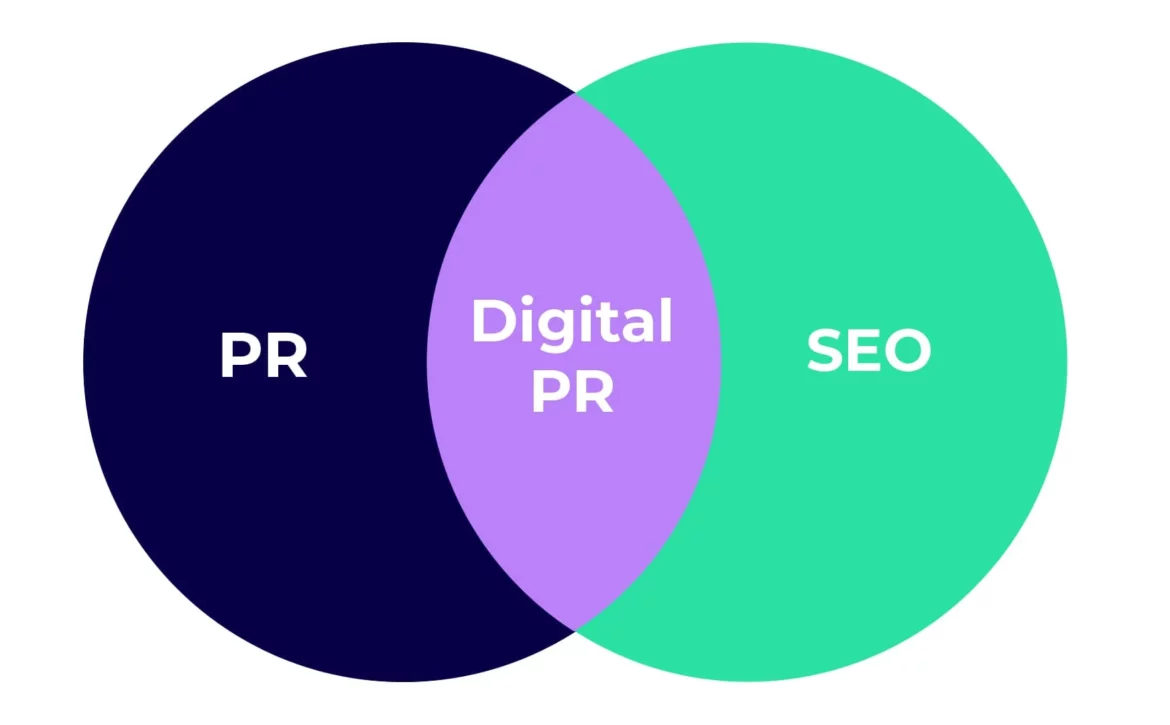
Today, improving search rankings involves implementing a well-rounded digital PR approach. This includes showcasing expertise, targeting key customer journey points, crafting engaging data-driven stories, and building trust through reputation and recognition.

How Does Digital PR Differ from Link Building?

Digital PR for SEO is not merely about acquiring backlinks. It’s a comprehensive strategy that incorporates:

  • Reputation management: It emphasizes cultivating a brand’s credibility online.
  • Integrated SEO and PR: Google’s AI evaluates reputation in a way that mimics human judgment.
  • Beyond links: Reputation is shaped by factors like brand mentions, content quality, and user trust.
  • Customer touchpoints: Digital PR addresses various stages of a buyer’s journey.

This shift redefines SEO by focusing on online reputation over traditional metrics like link volume or domain authority.

How Does Google Measure Reputation?

Google uses sophisticated methods, including its Search Quality Evaluator Guidelines, to assess the reputation of a website or content creator. These guidelines emphasize:

  • Evaluating expertise in the specific topic area.
  • Distinguishing between a source’s credibility across different subjects.
  • Prioritizing reliable information based on the context and user intent.

This means SEO strategies need to focus on enhancing a site’s and creator’s reputation rather than merely building a robust link profile.

What Is the Connection Between PR and SEO?

Public relations has always been about managing reputation and shaping public perception. Applying PR principles to SEO extends this to the digital realm, ensuring your brand is well-regarded by both users and search engines.

Key principles include:

  • Building trust with your audience first, which in turn boosts your reputation with search engines.
  • Using PR tactics like media outreach, content creation, and expert commentary to enhance visibility and credibility.

What Are the Traits of Effective Digital PR for SEO?

Digital PR focuses on more than just link acquisition. It involves:

  1. Topical Expertise: Establishing an individual or organization’s authority in a specific niche.
    • Depth of knowledge and hands-on experience are critical.
    • Messaging should reflect expertise to influence audience behavior.
  2. Proof of Expertise: Providing tangible examples of knowledge and skills.
    • This includes unique research, customer success stories, and expert commentary.
  3. Data-Driven Narratives: Using original research or insights to pitch compelling stories to journalists and publishers.
    • Align research with media trends to secure coverage.
  4. Influence and Recognition: Gaining endorsements from journalists, bloggers, influencers, and customers.
    • Actions like sharing content, buying products, or citing your research indicate growing influence.

How Does Digital PR Target the Right Audience?

Digital PR is most effective when it resonates with a clearly defined audience. To identify and engage this audience:

  • Understand their personas and specific needs.
  • Identify platforms, blogs, newsletters, and podcasts they frequent.
  • Tailor content to address their unique challenges and interests.

This targeted approach ensures your efforts reach the right people at the right time.

What Are the Stages of the Buyer’s Journey in Digital PR?

The buyer’s journey includes several stages where customers interact with a brand. In digital PR, these stages are:

  1. Awareness: Identifying the problem and seeking potential solutions.
  2. Research: Exploring various options, including competitors.
  3. Consideration: Comparing solutions to narrow down choices.
  4. Decision: Selecting and committing to a solution.

Each stage presents opportunities to provide relevant information and build trust with potential customers.

How Can Digital PR Replace Traditional Link Building?

Digital PR offers an advanced alternative to link building by:

  • Focusing on creating high-quality content that aligns with audience needs.
  • Pitching relevant storylines to journalists and influencers.
  • Leveraging podcasts, social media, and thought leadership to enhance visibility.
  • Prioritizing credibility over mere link metrics like Domain Authority or keyword optimization.

By integrating digital PR into your SEO strategy, you build a lasting reputation that drives both rankings and user trust.

Read More
Lead Angle December 17, 2024 0 Comments

B2B PR Strategies: What Works In 2025?

Crafting a successful B2B public relations strategy in 2024 requires more than simply pitching ideas to the media and hoping for attention.

Companies must adopt a comprehensive approach, integrating thorough research, skilled execution, and precise analysis to meet their marketing objectives.

What Is B2B PR?

B2B public relations, or business-to-business PR, involves managing a company’s reputation and public image in its interactions with other businesses. 

This process includes creating and implementing strategic communication plans to enhance visibility and build credibility among other organizations, industry leaders, and key stakeholders.

This form of PR is vital for companies looking to establish trust and grow within their industry. It encompasses tactics such as media relations, thought leadership, influencer collaborations, and participation in industry-specific events. B2B PR fosters partnerships and collaboration while driving exchanges of services and goods.

How Does B2B PR Differ from B2C PR?

Unlike business-to-consumer PR, which targets individual customers, B2B PR focuses on connecting with decision-makers, professionals, and other businesses. 

The objective is to build trust and credibility while creating opportunities for partnerships and growth. The communication style in B2B PR is more formal and data-driven, aligning with the priorities of a professional audience.

Why Is B2B PR Important?

B2B PR plays a pivotal role in shaping a company’s reputation and relationships. It builds trust, enhances brand visibility, provides market insights, and ensures that a company’s offerings are well-communicated to stakeholders. 

Moreover, it allows businesses to adapt quickly to feedback, address industry changes, and strengthen connections with investors. When executed well, B2B PR minimizes risks and unlocks new opportunities for growth.

How Can Businesses Build an Effective B2B PR Campaign?

Why Is Flexibility Essential?

Modern B2B PR requires agility to keep up with a fast-paced news cycle. Brands should be prepared to adjust timelines, messaging, and strategies as needed. A flexible approach, such as incorporating multiple pitching windows, ensures the ability to respond to emerging opportunities.

Why Should Goals Be Clearly Defined?

Establishing specific, measurable objectives is crucial for shaping your PR strategy. This clarity helps guide content creation, ensures your efforts align with business priorities and allows for accurate tracking of success.

Why Are Buyer Personas Important?

Accurate buyer personas help businesses understand the needs, challenges, and preferences of their target audience. This insight enables the development of tailored PR campaigns that resonate with potential clients and partners.

How Does a Press Kit Enhance PR Efforts?

A well-prepared press kit equips journalists with key information about your brand. It should include company details, messaging, and visual assets, making it easier for media professionals to share your story.

What Role Does Messaging Play in PR?

Effective messaging focuses on highlighting the unique benefits of your products or services. Ensure that your key messages are clear, impactful, and tailored to the specific needs of your audience.

Why Analyze Competitors?

Understanding the strengths and weaknesses of competitors can inform your PR strategy. Analyzing their campaigns and audiences provides valuable insights to differentiate your brand and capitalize on untapped opportunities.

How Can Thought Leadership Be Leveraged?

Sharing expert knowledge through blogs, white papers, and interviews positions your company as a trusted authority in the industry. This approach not only builds credibility but also generates media interest and expands your reach.

What Is the Value of Using Data?

Presenting unique data and insights can make your PR efforts more compelling. Developing original reports or studies enhances credibility and attracts media coverage, leading to greater visibility.

How Can Visuals Improve Campaign Impact?

Incorporating infographics and videos simplifies complex information and increases audience engagement. These elements are highly shareable, making your messaging more memorable and accessible.

How Can PR Efforts Be Amplified?

Maximize the reach of your content by sharing it across social media, email, landing pages, and industry events. Reusing and repurposing content ensures it reaches diverse audiences effectively.

Why Should Metrics Be Monitored?

Tracking PR performance through relevant metrics provides insight into what works and what doesn’t. Regular analysis helps refine strategies, ensuring the best return on investment for your efforts.

What Role Does Adaptability Play?

To remain competitive, businesses must monitor trends and adjust their PR campaigns accordingly. Staying informed and adaptable ensures relevance and effectiveness in a constantly evolving market.

By integrating these strategies, businesses can create impactful B2B PR campaigns that build credibility, drive partnerships, and support long-term growth.

Read More
Lead Angle December 17, 2024 0 Comments

What Does PR Mean On Social Media?

Are your social media accounts actually working for your brand, or are you simply going through the motions? Updating them sporadically might not be enough to make an impact. 

Integrating social media with effective public relations strategies can set your brand apart from the competition. Forward-thinking companies are already leveraging this synergy to their advantage.

What Is Social Media PR?

Social Media PR involves using platforms such as Instagram, Facebook, LinkedIn, and Twitter to craft a positive brand image and connect with key audiences. 

Unlike traditional media channels, social media enables brands to tell their stories in real time. This self-managed approach removes the need for intermediaries like journalists to share your news.

Why Is Social Media PR Important?

With almost everyone active on social media, these platforms offer unparalleled reach. Social media allows brands to share updates, insights and thought leadership directly with audiences. 

While PR and marketing serve different purposes, they complement each other perfectly. Social media, especially platforms like LinkedIn, is an excellent tool for showcasing expertise, sharing unique industry perspectives, and generating interest in your brand.

How Does Social Media PR Work?

It revolves around creating engaging, on-brand content that reflects your expertise, values, and interests. It also includes responding to audience interactions, such as comments and discussions. 

Social media PR is an integral part of any communication strategy, but it requires thorough research to ensure it aligns with your target audience’s preferences and habits.

What Are the Benefits of Social Media PR?

How Does It Help Expand Audience Reach?

Social media offers a much wider reach than traditional PR methods. With people constantly checking their phones, campaigns have a better chance of reaching audiences, even passively. 

Algorithms also ensure that the right content reaches the intended demographics, increasing visibility. Easy sharing further amplifies your reach, acting as a form of peer recommendation.

Can It Support the Sales Funnel?

Social media can spark interest and guide potential customers through the sales funnel. By sharing compelling and timely information, brands can position themselves positively, encouraging users to learn more about their offerings. 

Consistent exposure through social channels can gradually convert casual followers into loyal customers.

How Does It Enhance Reputation Management?

Social media allows brands to showcase positive feedback, share expertise, and maintain control over the narrative. By conducting sentiment analysis, companies can monitor their reputation, anticipate potential crises, and gather feedback to improve products or services.

Does It Strengthen Online Presence?

Social media complements your website by providing additional touchpoints for audiences. Through engaging content like infographics, success stories, videos, and blog posts, brands can highlight their values, increase traffic, and build stronger connections with their audience.

How to Use Social Media PR Effectively?

Make the most of your social media accounts by aligning them with your PR goals. Share press releases, promote positive feedback, and regularly update your platforms with content that resonates with your audience. 

By integrating social media into your overall strategy, you can create a cohesive and impactful brand presence.

How Has Social Media Transformed Public Relations?

Most public relations professionals agree that social media has reshaped the field. Traditional press releases no longer suffice, as the audience now includes diverse stakeholders. 

Social media offers a broader reach and multimedia options, making it a superior choice for impactful communication. While press releases still hold value, social media serves as a springboard for wider engagement.

What Role Does Misinformation Play in Public Relations?

Social media’s open nature allows anyone to share content, leading many to trust personal opinions over verified sources. With a significant portion of people consuming news via social platforms, PR professionals face the challenge of navigating misinformation. 

Falsehoods and exaggerations spread easily, and unregulated platforms can exacerbate the problem. PR practitioners must remain vigilant, ensuring their messaging is accurate and addressing clients affected by misinformation.

How Has Instant Communication Changed PR?

Social media enables 24/7 communication, amplifying messages quickly and keeping them visible longer. 

While this rapid dissemination can enhance PR campaigns, it also means negative news can spread just as fast. Constant monitoring and timely responses are crucial for managing public perception in this fast-paced environment.

How Does Social Media Support Audience Engagement?

Social platforms facilitate direct communication with audiences, breaking down language and geographic barriers. This two-way interaction fosters meaningful engagement, allowing PR professionals to collect real-time feedback and strengthen relationships with stakeholders.

How Does Social Media Help Build Communities?

Public relations focuses on relationship building, and social media offers an ideal platform for connecting with audiences. By creating and sharing engaging content, PR professionals can inspire and interact with communities, fostering loyalty and trust.

How Has PR Adapted to Social Media?

The rise of social platforms has pushed PR professionals to acquire new skills. Understanding platform-specific nuances, mastering analytical tools, and crafting tailored strategies are now essential. 

The focus has shifted from solely earning coverage to building sustainable relationships with audiences.

What Should PR Professionals Know About Major Social Media Platforms?

  • Facebook: Known for its precision targeting and extensive reach, Facebook remains effective for businesses targeting older demographics. Its algorithm favors interactive content, and its ad tools allow businesses to connect with audiences in various formats.
  • X (formerly Twitter): Despite recent changes, X remains a key platform for announcements and public discourse. Its active user base thrives on news and engagement, making it valuable for PR professionals.
  • LinkedIn: As the leading platform for professional networking, LinkedIn is essential for B2B efforts. Its tools enable targeted outreach based on job titles, industries, and more, making it ideal for thought leadership and lead generation.
  • Instagram: Popular with younger audiences, Instagram excels in visual storytelling and influencer marketing. Businesses can leverage its features to showcase products and engage audiences through ads and shoppable posts.
  • TikTok: Famous for short-form video content, TikTok offers high engagement, especially with younger demographics. Its ad platform enables targeted campaigns, although its future in some regions remains uncertain.
  • YouTube: The top video-sharing platform allows businesses to create compelling content, reach diverse audiences, and build dedicated channels. Its extensive user base makes it a vital tool for video-driven PR strategies.

How Can PR Professionals Maximize Social Media Effectively?

  1. Use Social Media for Pitching: Social platforms are excellent for researching journalists and sharing earned media. Tagging and mentioning relevant individuals or publications can amplify content and increase visibility.
  2. Leverage Scheduling Tools: Automation tools like Buffer and Sprout Social can streamline posting, especially for global audiences. However, consistent monitoring and engagement are still essential.
  3. Maintain Active Profiles: A strong social media presence signals credibility. Journalists and stakeholders often review a company’s social activity as part of their evaluation. Inactive accounts can harm trust and reduce opportunities for engagement.

Social media has become integral to public relations, redefining how professionals engage with audiences, address challenges, and build lasting relationships.

How Can You Achieve Social Media PR Success?

Achieving success in social media PR requires a unified brand voice and a clear purpose. It’s not solely about what you do, but why you do it. Instead of merely using social media to promote or sell, focus on demonstrating the value to your audience—why should they care? 

It’s important to be consistent and to develop a strategy that includes the right tactics for sustainable success.

What Role Does Influencer Collaboration Play?

Influencers are now an essential part of social media PR. Audiences trust the individuals who frequently appear on their feeds, believing in their product recommendations. 

Beyond endorsements, influencers educate and provide expert insights, making them powerful tools for shaping consumer behavior. 

Building relationships with influencers, creators, and PR firms is vital. However, it’s important not to micromanage; doing so can suppress their creativity. Long-term partnerships with influencers are often more beneficial than one-off collaborations.

Why Should You Encourage User-Generated Content (UGC)?

Inviting your followers to take part in creative projects—such as naming a product or creating content—can increase engagement and give your audience a sense of involvement.

 By sharing the results on social media, tagging participants, or offering free products, you create social proof. When others vouch for your brand, it becomes more trustworthy, often more than branded content.

How Can Analytics and Social Listening Enhance Your Strategy?

Listening to what your audience says about your brand can provide valuable insights for future campaigns. With analytical tools, you can track the real-time performance of your content. This allows you to adjust quickly if something isn’t resonating. 

Additionally, social listening can help you monitor important PR metrics and identify key trends, ensuring your strategies remain relevant.

What is the Power of an Immersive Experience?

Providing an immersive experience, such as a virtual tour of your business or behind-the-scenes content, can transform passive social media interactions into active engagement. 

These experiences often boost interactions, which can lead to higher conversion rates. Sharing employee stories or showcasing specific processes can increase transparency and strengthen connections with your audience.

How Can Newsjacking Boost Your PR Campaigns?

Newsjacking involves inserting your brand into trending news stories, helping you reach wider audiences. 

When executed carefully, it can generate significant engagement, including shares, likes, and retweets, as well as increased traffic to your website. However, be cautious—ensure your approach aligns with your brand’s values and avoids insensitivity.

Why Should You Share Your Research Findings?

Sharing your research findings on platforms like LinkedIn can spark professional discussions, showcasing your knowledge and engaging others in your industry. 

Encouraging employees to like, comment, and share on these posts can enhance visibility and help boost your employer’s PR efforts, highlighting your organization’s expertise.

What Are the Best Practices for Merging Social Media and PR?

How Can Thought Leadership Elevate Your Brand?

Sharing content that establishes your brand as an expert in its field is a powerful PR tool. Rather than simply pushing promotions, focus on providing value that benefits your audience. Thought leadership content can also fill content gaps during quieter periods.

How Can You Leverage Industry Trends?

Keeping an eye on industry trends can help you stay relevant. Social media is a hub for the latest developments, and the key is to engage early with relevant trends that align with your audience’s interests.

What’s the Value of Thinking Creatively?

Thinking outside the box can lead to unexpected successes. For example, when REI closed its stores on Black Friday in 2015 and encouraged customers to spend the day outdoors with the #OptOutside campaign, it garnered massive media coverage and customer engagement, proving that bold, unconventional ideas can be effective.

How Can Client Testimonials and Case Studies Strengthen Your Brand?

Social media is a great platform for showcasing your success through client testimonials and case studies. These third-party endorsements not only demonstrate your capabilities but also serve as powerful social proof for potential clients.

Why Should You Use Multimedia and Infographics?

Visual content, like infographics and high-quality images, can make your posts more engaging and memorable. 

Ensuring they’re optimized with clear meta descriptions and SEO-friendly text can increase your reach, as platforms like LinkedIn prioritize content that is easy for their algorithms to understand.

What Are Some Successful Examples of Social Media PR Campaigns?

How Did Coca-Cola’s #ShareACoke Campaign Become a Success?

The #ShareACoke campaign, which involved swapping Coke’s brand name for popular names on bottles, sparked massive social media conversations and boosted sales. By tapping into people’s need for personalization, Coca-Cola created a simple yet highly effective campaign.

How Did Spotify’s Wrapped Campaign Engage Audiences?

Spotify’s annual Wrapped campaign encourages users to share their music listening habits, creating a wave of social media buzz. The campaign’s highly personal and shareable content makes it relatable and has turned into a viral marketing tool.

How Did Wendy’s Use Humor to Build Its Brand?

Wendy’s reputation for snarky, witty tweets has made it a social media sensation. By engaging in playful banter with competitors, Wendy’s has built a loyal following, proving that humor can be an effective PR strategy.

What Are the Emerging Trends in Social Media PR?

As AI becomes more involved in content creation and distribution, PR campaigns will adapt to include smarter algorithms and shoppable content. 

Employee advocacy will also rise as employees share insights about their organizations, making brands appear more authentic and trustworthy.

Micro-influencers, with their smaller but more engaged audiences, are becoming increasingly important. These influencers tend to have a closer connection to their followers, offering a more cost-effective way to engage niche markets.

How Can Social Media PR Transform Your Brand’s Approach to Communication?

Social media has democratized PR, providing opportunities for brands to control their messaging and create buzz on their terms. 

By integrating social media into your PR strategy, you can build lasting relationships, increase visibility, and remain competitive in an increasingly digital world.


Read More
Lead Angle December 17, 2024 0 Comments

How to Create a PR Strategy In 2025?

A well-structured PR plan is key to accelerating brand recognition. Instead of relying on random efforts, having a defined roadmap allows you to achieve targeted outcomes. Effective PR shapes consumer opinions, influences purchasing decisions, and ensures your brand stands out in competitive markets.

If you already created a PR plan last year, that’s a good start. However, it’s essential to refresh and adapt it to current trends, consumer behavior, and technological advancements.

For those new to PR planning, this guide provides a clear process to help you develop a strategy that delivers results.

What Is a PR Strategy?

A PR (Public Relations) strategy is a comprehensive framework designed to manage and influence the public image of a person, brand, or organization. It focuses on effective communication to build relationships with stakeholders, including customers, employees, media, and investors.

The main goal of a PR strategy is to enhance credibility, strengthen public perception, and foster trust.

What Are the Key Components of a PR Strategy?

A successful PR plan typically includes:

  • Setting Objectives: Defining measurable goals that align with broader business objectives.
  • Identifying the Audience: Understanding the target groups to tailor messages effectively.
  • Creating Messages: Crafting impactful communication that aligns with your brand’s voice.
  • Media Outreach: Building relationships with media outlets, journalists, and influencers to secure coverage.
  • Content Development: Producing materials like press releases, blogs, and social media posts.
  • Crisis Management: Preparing strategies to handle potential challenges or controversies.
  • Monitoring Progress: Measuring outcomes with tools like sentiment analysis, media tracking, and engagement metrics.
  • Adapting Strategies: Revising the plan based on results, feedback, and changes in the market environment.

Why Is PR Planning Crucial?

PR efforts don’t yield results without planning. While organic mentions may happen, they are unpredictable. A strategic approach puts you in control of your brand’s narrative and ensures consistent communication with your audience.

For instance, launching a new product requires more than traditional marketing. A well-executed PR strategy can amplify the announcement, expand reach, and attract attention. Similarly, in times of crisis, a pre-established PR plan can ensure quick and effective responses.

How Do You Create an Effective PR Plan?

Developing a solid PR plan involves a series of steps:

1. How Do You Assess PR Needs?

Begin by reviewing past PR activities to identify gaps or areas of improvement. Evaluate media mentions, audience reach, and overall sentiment. Use this analysis to determine new opportunities or challenges for the coming year.

2. What Goals Should You Set?

Define clear and measurable objectives, such as increasing brand visibility, improving sentiment, or driving website traffic. Setting specific goals ensures your efforts are focused and results-oriented.

3. How Do You Identify Your PR Audience?

Determine where your target audience consumes information. Research their preferred media outlets, blogs, and social platforms. This knowledge will guide your outreach efforts and ensure your messages reach the right people.

4. What Tools Are Essential for PR Success?

Choose tools that enhance your PR activities. For press outreach, consider media relations platforms. For social media campaigns, opt for tools that track mentions and engagement. Align your tools with the tactics you plan to use, such as press releases, influencer collaborations, or social listening.

5. How Do You Create Intentional Strategies?

Every action should have a clear purpose. Align your tactics with specific objectives. For instance, when pitching to bloggers or influencers, focus on how they can add value to your brand and what message you want them to share.

6. How Do You Measure Success?

Track relevant metrics to evaluate the impact of your PR efforts. Depending on your goals, this may include website traffic, media mentions, social media engagement, or sentiment analysis. Select metrics that directly align with your objectives to measure progress effectively.

How Can You Strengthen Media Relationships?

Building strong relationships with journalists, bloggers, and influencers is crucial for ongoing success. Maintain open communication and deliver value in your interactions. Share updates on new products or initiatives and show appreciation for their coverage.

Additionally, maximize each media opportunity by repurposing content. For example, a press release can be shared on social media or included in newsletters to extend its reach.

What Role Does AI Play in PR?

AI-powered tools are revolutionizing public relations by streamlining processes and enhancing decision-making. AI can help draft pitches, suggest suitable journalists, and monitor real-time trends for immediate action.

For example, Leadangle’s AI tools assist in identifying patterns, tracking sentiment, and generating actionable insights to optimize PR campaigns. These innovations make it easier to achieve PR goals with greater precision and efficiency.

By incorporating AI into your strategy, you can save time and focus on delivering impactful results.

Read More
Lead Angle December 17, 2024 0 Comments